

What Compensation Can I Recover After a Dog Bite in Pennsylvania?
A Pennsylvania dog bite claim may include medical expenses, lost income, reduced earning capacity, pain and suffering, psychological harm, and permanent disfigurement. Under the Pennsylvania Dog Law, the dog owner or keeper must pay the victim’s medical treatment costs resulting from the attack. Recovering other damages may require proof of negligence. Future care needs and lasting limitations may affect the amount recovered.
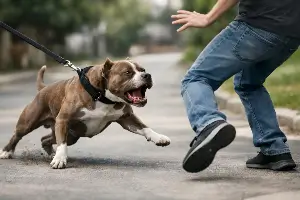 What is a dog bite injury claim actually worth? The first medical bill or missed paycheck rarely tells the whole story. Treatment may continue, scarring may become permanent, and the attack may affect the victim’s work and daily life long after the wound closes.
Timing matters. Accepting a settlement before the medical outlook becomes clear may leave future losses unpaid, while delaying legal action could jeopardize the claim. A full evaluation considers both the losses already incurred and the lasting effects of the attack.
What Types of Compensation Are Available After a Dog Bite in Pennsylvania?
Pennsylvania law treats medical treatment costs differently from other losses caused by a dog attack. Under Section 502(b)(1) of the Pennsylvania Dog Law, the dog owner or keeper must fully pay the victim’s medical treatment costs resulting from the attack or bite.
Compensation for lost income, pain and suffering, disfigurement, and other harms depend on a separate liability analysis. As our overview of Pennsylvania dog bite laws and liability explains, recovering these damages may require proof that the owner or another responsible party was negligent.
Medical Expenses and Future Medical Care
Medical expenses may include emergency care, surgery, medication, rehabilitation, scar treatment, and other necessary care related to the attack. If the victim needs continued treatment, the claim may also account for reasonable future medical costs.
Lost Wages and Earning Capacity
Lost wages cover income the victim misses while receiving treatment or recovering from the injury. If lasting restrictions reduce the victim’s ability to work or earn at the same level, the claim may also include diminished earning capacity.
Pain and Suffering
Pain and suffering compensation reflect both physical discomfort and the ways an injury interferes with sleep, mobility, recreation, and everyday routines. Unlike a medical bill or wage statement, this loss does not have a fixed dollar amount.
Scarring and Disfigurement
A claim may account for permanent scars or other lasting changes to the victim’s appearance. The scar location, visibility, and effect on the victim may all matter, while the cost of scar revision or other treatment falls under medical expenses.
Emotional and Psychological Harm
A dog attack may cause anxiety, nightmares, disrupted sleep, or a persistent fear of dogs. When supported by the evidence, a claim may include both the cost of psychological treatment and compensation for the emotional harm caused by the attack.
What Affects How Much Dog Bite Claim Is Worth in Pennsylvania?
Each case is different, so there is no specific value for a dog bite claim. The value of a claim is based on the severity of the injury, length of your recovery, lasting effects, and strength of supporting evidence.
The Course of Treatment and Recovery
Your medical record helps to show how your injury has progressed from the initial wound and through the treatment received, including any complications that arise or physical limitations that remain after the wound has healed.
- Severity of the injuries: Fractures, deep lacerations, and tissue damage involve a longer recovery than a surface wound that heals without further intervention.
- Medical complications: Infection, repeat procedures, and other medical setbacks often results in a longer recovery.
- Lasting impairment: Permanent nerve damage, chronic pain, weakness, numbness, or reduced movement in the area can affect the value of a claim if those limitations continue after the initial wound heals.
- Length of recovery: Extended treatment and continuing symptoms show how long the victim experienced the effects of the attack.
Effects on Work and Daily Life
Medical treatment does not capture every way an injury affects the victim. Broader consequences measure disruption outside the clinical setting.
- Work disruption: Time away from work causes immediate income loss, while permanent damage or ongoing complications may affect a victim’s ability to work in the future.
- Permanent effects: Continuing pain, visible scarring, disfigurement, or physical limitations can affect value after active treatment ends.
- Daily limitations: Difficulty sleeping, managing personal care, completing household tasks, or taking part in recreation can show the reach of the attack beyond the initial injury.
How Can the Circumstances of the Attack Affect Compensation?
The injury’s effects shape valuation, while the attack setting can affect recoverability. The victim’s age can also change the period over which lasting consequences require review.
The Attack Setting
An attack at a home, rental property, workplace, or public area can involve different people with duties concerning the dog or premises. The setting may affect which legally responsible parties a claim can reach.
The Victim’s Age and Injury Location
Children and teens may need continued medical treatments over time. A child’s growth and development can change the effect of scarring and other damage from a dog bite wound in the future. Significant facial scarring may require multiple surgeries over time.
Can I Recover Compensation if the Dog Had Never Bitten Anyone Before?
Yes. The duty to pay a victim’s treatment costs does not depend on whether the dog bit someone before.
A dog’s history may still provide relevant evidence in a negligence claim. However, Pennsylvania’s amended dangerous dog statute, 3 P.S. § 459-502-A(a), no longer requires proof that the dog previously attacked someone or had a demonstrated propensity to attack. Our discussion of Pennsylvania’s dangerous dog law changes explains how the amended law applies.
How Long Do I Have to File a Dog Bite Compensation Claim in Pennsylvania?
Pennsylvania’s deadline for filing a lawsuit is separate from the time required to investigate and prepare the claim. An insurer may continue investigating or negotiating as the deadline approaches. Opening an insurance claim does not, by itself, extend the time allowed to file a lawsuit.
Filing Periods for Adults and Minors
Pennsylvania generally gives an adult two years to file an injury lawsuit, starting on the attack date. Opening an insurance claim does not, by itself, extend that deadline.
For an unemancipated minor’s own claim, Pennsylvania’s filing rules for minor claims exclude the years before age 18. The child generally receives the same filing period allowed to adults after reaching age 18.
Time Needed to Prepare the Claim
The deadline can arrive while treatment or insurance negotiations remain unfinished. Waiting leaves less time to review unresolved issues and file a lawsuit before time expires.
Where Does Compensation for a Pennsylvania Dog Bite Claim Come From?
The legal value of a claim and its payment source are separate questions. One or more insurance policies may apply, while some claims require payment directly from a legally responsible party.
- Homeowners’ insurance: A dog owner’s personal liability coverage may pay damages that fall within the policy’s terms.
- Renters insurance: A tenant’s policy may provide personal liability coverage when the renter owns or controls the dog.
- Medical payments coverage: Some homeowners’ and renters policies provide limited medical payments coverage without requiring the injured person to prove negligence.
- Umbrella or excess coverage: This additional layer of insurance may become available after the underlying liability limit has been exhausted, although it has its own terms and exclusions.
- Commercial liability coverage: A business, property owner, or professional dog keeper may have coverage when the facts establish legal responsibility.
- Workers’ compensation: An employee attacked while performing work duties may qualify for medical and wage-loss benefits, while a separate claim against the dog owner may create reimbursement rights for the employer or its insurer.
- Dangerous-dog coverage: If no insurance covers the claim, collection may depend on the income, property, or other assets of the person legally responsible.
- Direct payment: When no liability policy covers the loss, recovery may depend on payment from the legally responsible party.
What Can Increase the Amount You Recover After a Dog Bite?
A claimed loss must connect to the attack and have a reliable basis. Different records establish different parts of that connection without changing the harm the victim experienced.
- Medical history: Records from initial care through later treatment establish the injury course, procedures, complications, and changing symptoms.
- Visual timeline: Dated photographs can show how the wound healed and whether visible scarring remained after recovery.
- Clinical prognosis: A doctor’s opinion on expected treatment, permanent damage, and the medical basis for future needs.
- Lost Income proof: Pay records, employer confirmation, or self-employment documents can establish earnings lost because of the injury.
- Daily-impact documentation: Personal notes, work restrictions, and school records describe limitations that medical bills alone do not capture.
- Psychological assessment: Counseling and psychological treatment notes can connect ongoing PTSD, and other trauma symptoms to the attack.
What Can Reduce or Limit What You Recover?
Provocation and comparative negligence can reduce damages based on how the attack occurred. Treatment gaps, late reporting, and limited coverage or assets can weaken proof or restrict the amount available for collection.
- Provocation: Evidence that the victim provoked by the dog may limit or defeat recovery under the applicable legal theory.
- Comparative negligence: When negligence governs, Pennsylvania’s rule for comparative negligence reduces damages by the victim’s fault and bars recovery if it exceeds the defendants’ combined fault.
- Treatment gaps: Unexplained breaks in care may give insurers room to argue that the victim recovered, or that symptoms did not result from the attack.
- Delayed reporting: Waiting to report the attack may result in missing photographs, unavailable witnesses, or no documentation to provide evidence of the attack.
- Coverage and asset limits: Policy limits and insufficient personal assets can restrict the amount available for collection, even when the claim supports greater damages.
Why Dog Bite Compensation Claims May Be Contested by Insurance Companies
An insurer may accept some treatment costs while disputing whether the attack caused continuing limitations. It may also challenge the assumptions behind projected losses or the claimed permanence of an injury.
An early offer may seek to close the claim before the medical outlook stabilizes. Legal help in dog bite insurance claim disputes may matter when an adjuster challenges the claim’s supported value or presses for a prompt settlement.
Frequently Asked Questions About Dog Bite Injury Compensation in Pennsylvania
Can psychological treatment costs and emotional distress both be included in a Pennsylvania dog bite claim?
Possibly Pennsylvania’s Dog Law requires the owner or keeper to pay medical treatment costs resulting from the attack. Counseling expenses may fall within those costs when medical records connect that treatment to the attack. Compensation for emotional distress may require further proof of negligence.
Can a child’s parents file a dog bite compensation claim on the child’s behalf?
Yes. A parent or other legally authorized representative may generally pursue a personal injury claim on behalf of a child. The specific process can depend on the child’s age, the type of claim, and the court procedures that apply.
A court must approve any settlement under Pennsylvania court approval for minor settlements and may direct how the child’s funds are held or distributed.
Does Pennsylvania workers’ compensation cover an on-the-job dog attack?
Yes. Pennsylvania workers’ compensation may apply when the attack arises in the course of employment and relates to the employee’s work. The claim may provide both medical and wage-loss benefits. A recovery from the dog owner may trigger workers’ compensation third-party recovery rights for the employer.
What if my dog bite injuries got worse after I thought I had recovered?
If your dog bite injuries worsen after you thought you had recovered, seek medical care promptly and document the change in your condition. Worsening symptoms or new complications may support additional damages if you have not yet settled your claim. However, signing a final settlement or release generally prevents you from seeking additional compensation for complications that develop later.
Bitten by a Dog in Pennsylvania? Talk to Schmidt Kramer About Your Compensation
Determining the full scope of a dog bite claim requires a case-specific review. Lasting effects and unresolved medical questions can change what a complete evaluation must address.
At Schmidt Kramer, our dog bite injury lawyers in Harrisburg can review the claim’s full scope and explain the available options. Your consultation is free, with no obligation or upfront fees. The firm collects a legal fee only if it recovers compensation for you, so call (717) 510-1770 to discuss your claim.